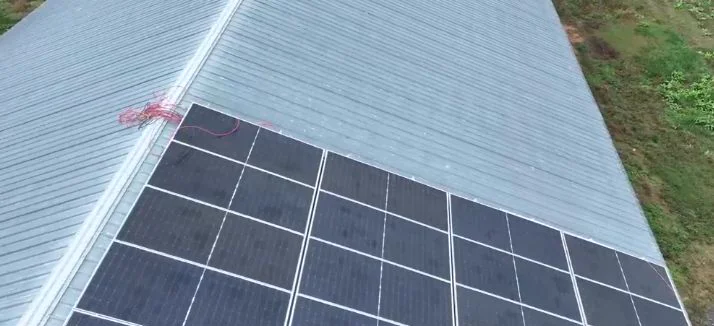
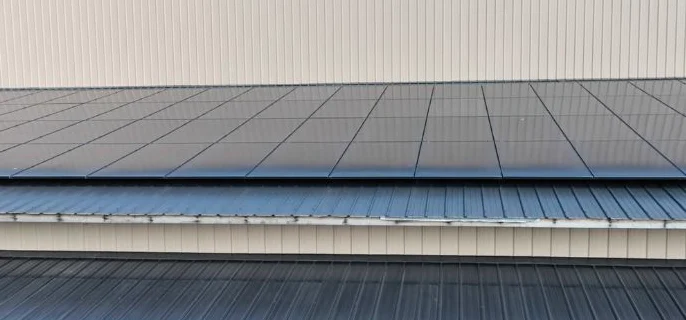
It can mean putting panels above an existing roof or using roofing materials that generate electricity themselves. Those are different projects. A roof replacement followed by conventional solar is a third option, and a sunny part of your property may also work as a ground mount.
Option 01
Keep the roof. Add panels.
Best fit: An existing roof in good condition with enough usable, sunny area.
Check the roof’s remaining service life and approved mounts. A compatible standing-seam metal roof may accept clamps without new holes through the panels. Other roof systems can need properly engineered and flashed attachments.
What to check: If the roof will need soon replacement, price future panel removal and reinstallation before committing.
Option 02
Replace the roof, then add panels.
Best fit: A roof nearing replacement, an existing leak, or an attachment detail that needs roof work first.
Separate the roof and solar scopes and explain who is responsible for roof conditions, attachments, flashing, and later service. Coordinate sequencing so solar does not have to come back off immediately.
What to check: Get written workmanship terms for the roof, solar attachments, and any roof penetrations. Do not assume all coverage comes from one warranty.
Option 03
Use integrated solar roofing.
Best fit: A new build or planned reroof where the solar-generating material is meant to be part of the roof assembly.
Solar shingles, tiles, and other integrated products are not the same as conventional panels mounted above a finished metal or asphalt roof. Compare exact product specifications, what serves as the weather barrier, and how individual components can be serviced.
What to check: Ask for a written equipment and roof scope, current product availability, and local service support.
Option 04
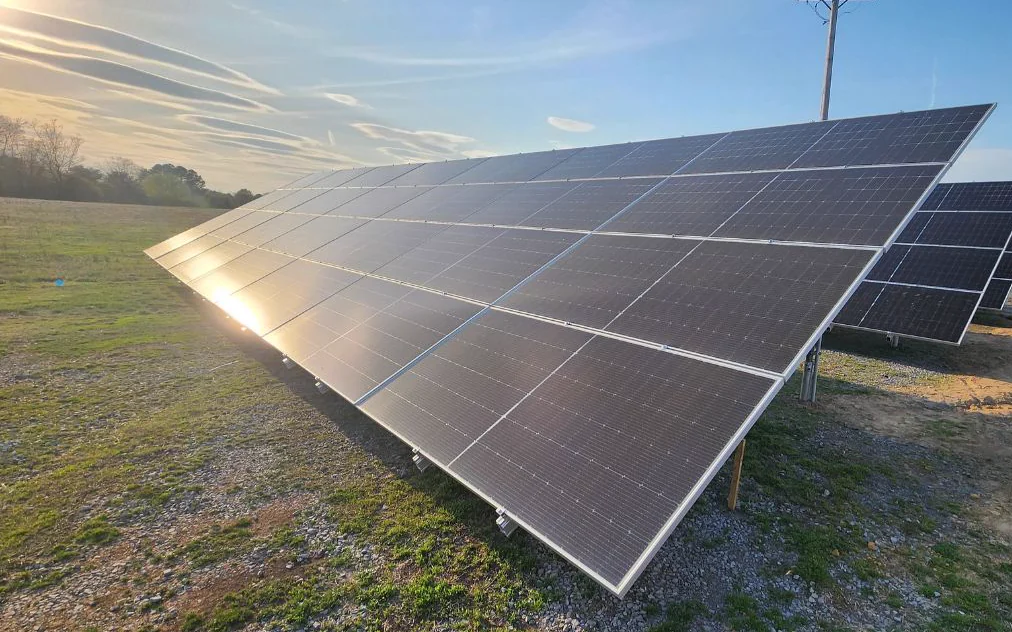
Move the array to the ground.
Best fit: Land with a usable sunny area when the roof is shaded, complex, or not a good fit.
Check setbacks, shade, usable yard, equipment access, distance to the house, and the trench route to the electrical connection. The roof stays free of solar attachments.
What to check: Include foundations, trenching, landscape restoration, and routing in the price. A ground mount is not automatically cheaper or better.